Visual Foundations™
Start Here
Helping children access learning through movement, visuals, and regulation.
Tools and systems for educators who know listening isn’t enough.
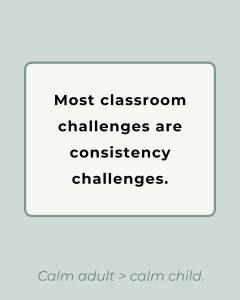
Most classroom challenges are consistency challenges.
- adults want to help, but lack shared language
- expectations vary across staff
- children experience inconsistency
Visual Foundations™ supports consistency in real time.
Shared Language
What It Is
When adults use the same words, phrases, and responses across people, settings, and situations.
Why It Matters
Children learn more quickly when they hear consistent language. Shared language reduces confusion, builds understanding, and helps children know what to expect.
Visual Foundations™ Connection
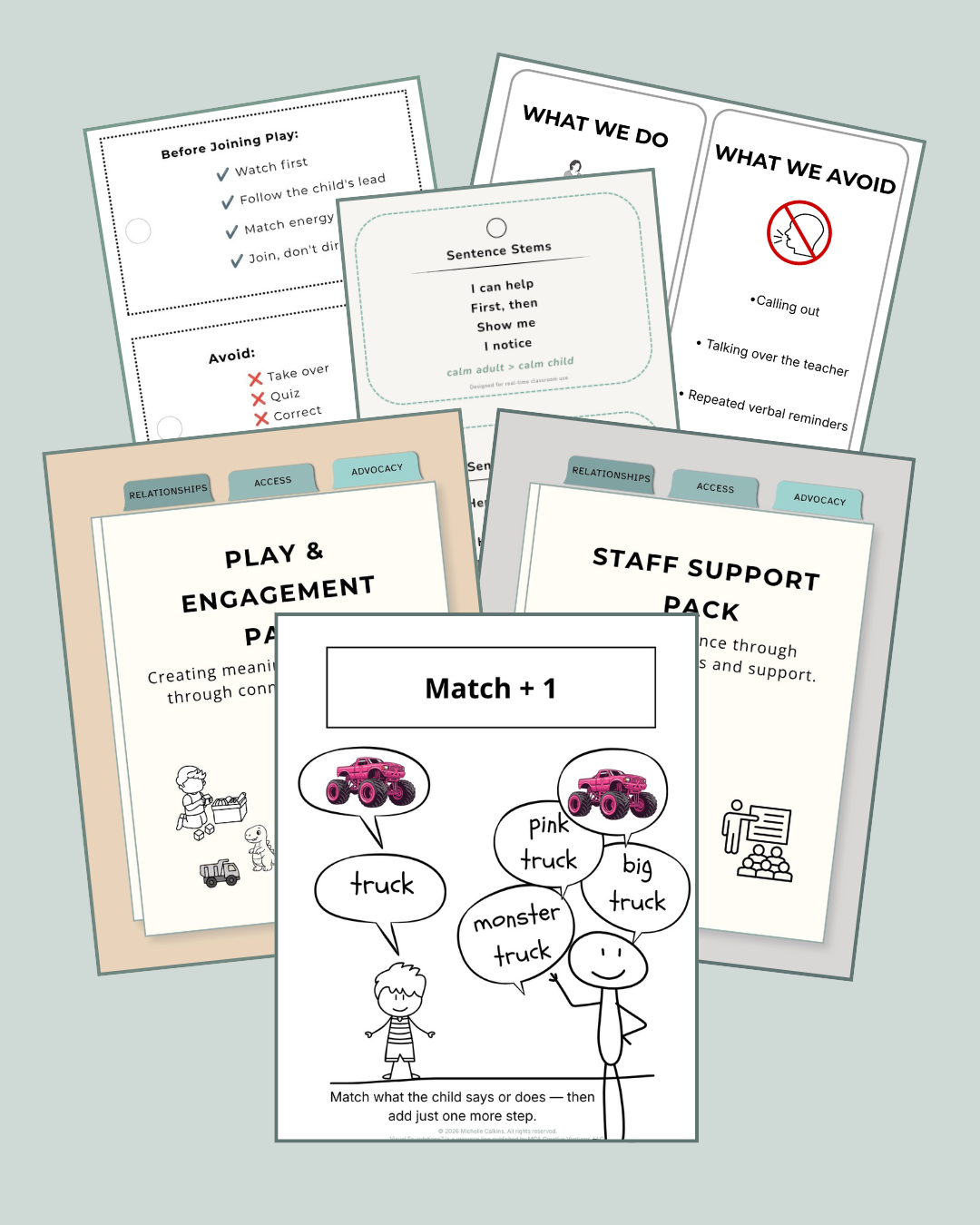
Visual Foundations™ provides sentence stems, visuals, and communication tools that help adults use common language to support learning, behavior, communication, and relationships.
Example:
"First ___, then ___."
"I can help."
"You're feeling frustrated."
Visual Guidance
What It Is
Using pictures, visual supports, demonstrations, and environmental cues to communicate expectations and provide support.
Why It Matters
Many children process visual information more easily than spoken language, especially during moments of stress, excitement, or overwhelm. Visuals remain available even when words are forgotten.
Visual Foundations™ Connection
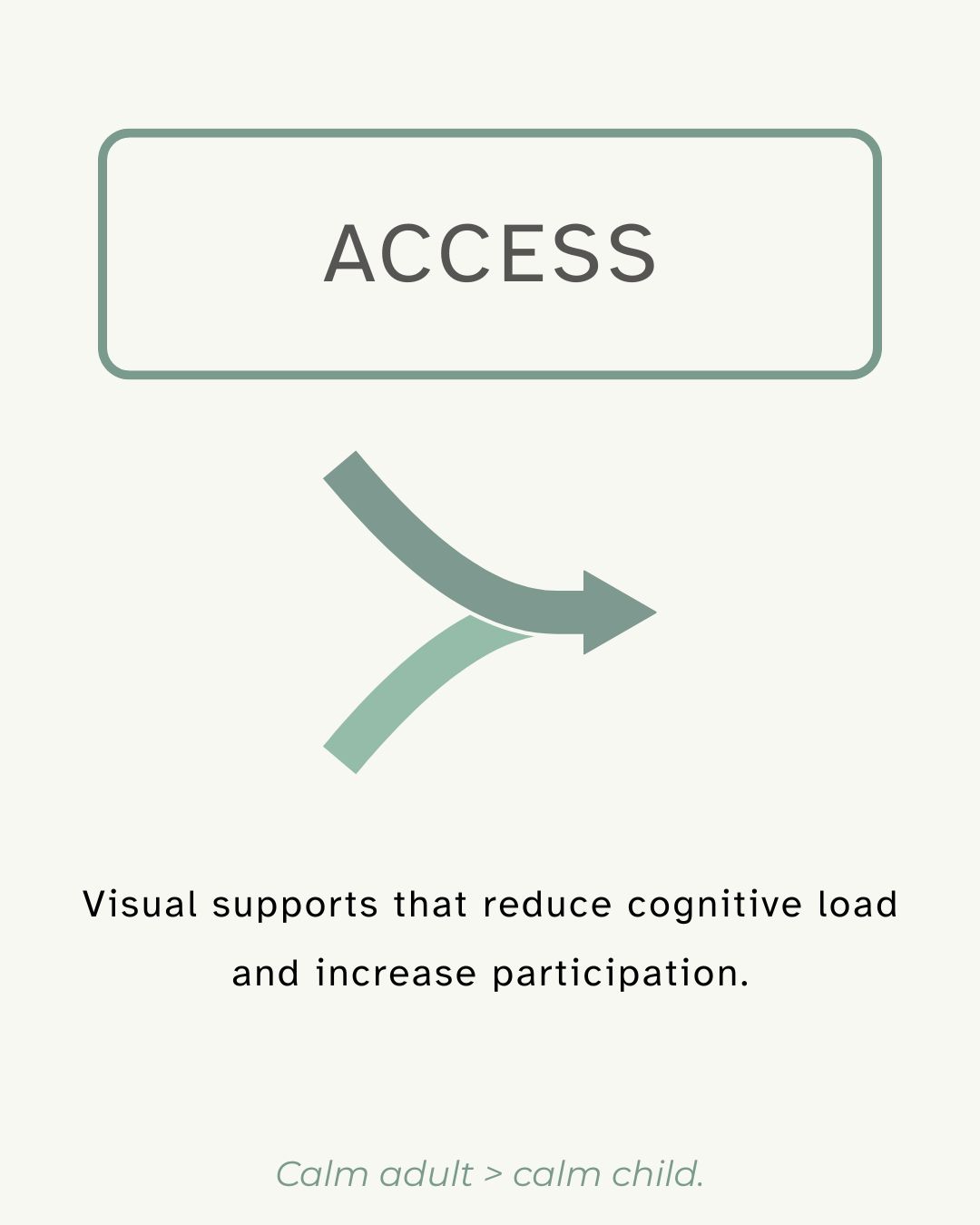
Visual Foundations™ uses practical visual supports to increase access, support communication, reduce frustration, and help children participate more independently.
Example:
Showing a visual schedule instead of repeatedly explaining what comes next.
Predictable Routines
What It Is
Creating consistent patterns, expectations, and responses that help children understand what will happen and what is expected of them.
Why It Matters
Predictability creates emotional safety. When children know what to expect, they can spend less energy figuring out the environment and more energy learning, connecting, and engaging.
Visual Foundations™ Connection
Visual Foundations™ helps teams build predictable routines through shared language, visual systems, and consistent support strategies that work across adults and settings.
Example:
Using the same transition routine, visual cues, and adult language each day.
Ready to Build Your Toolkit?
Browse practical resources designed to help adults create more access, connection, and confidence.

 English (United States)
  Spanish